
Quick verdict
You’re tired of dragging a sprinkler around only to find puddles at the connector and dry spots on the lawn. You’re not alone. The Aqua Joe AJ-OSPR20 looks the part on the shelf, but out in the yard it often leaks right out of the box, loses pressure, and leaves you questioning whether you bought a sprinkler or a weekend project. For most homeowners, the frustration isn’t worth the modest savings — there are sturdier options that won’t have you reaching for sealant after the first use.
Connector Leakage and Water Pressure Loss
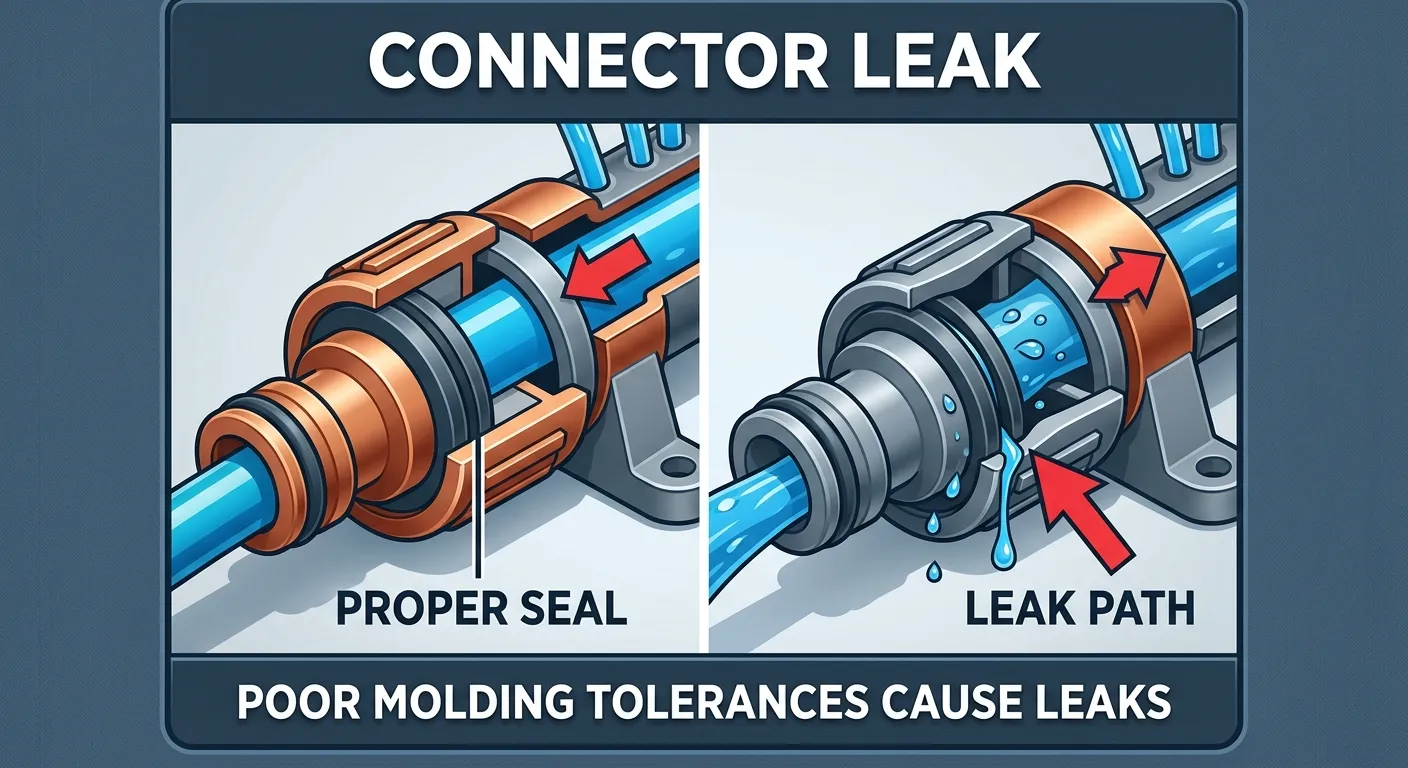
One common gripe among customers is how hard it is to connect the hose to the sprinkler. Many users report that the plastic sleeve meant to secure the hose doesn’t seal properly, so you get leaks on both ends. That doesn’t just create messy puddles — it also robs the spray unit of water pressure. One homeowner found that the connector leaked immediately on first use, and the spray distance dropped noticeably. The root cause appears to be a poorly designed connector.
Attempts to Fix the Leakage Issue
Several users have tried to tackle the connector leakage with DIY fixes. One person used Loctite sealant inside the connector and applied Teflon tape to the hose. That helped reduce the leaking, but then the connector popped off the base because the water pressure wasn’t adequate. Undeterred, they replaced the connector with a short piece of garden hose secured by a hose clamp and JB Weld, which finally eliminated the leaks. These improvised solutions can work, but they’re not realistic for everyone.
Still dealing with drips after tightening everything down? You’re not crazy. Users have tried replacing O-rings and cranking connections tight, but the leaks persist. Experienced plumbers note that persistent connector leaks often point to a manufacturing defect rather than a simple fix 1. When the plastic housing itself is out of round or the molding is sloppy, no amount of tape will make it right. If you’ve already swapped the washer and snugged the fitting, you’re probably looking at a bad unit, not bad technique.
Quality Control and Customer Service Challenges
Aqua Joe’s customer service has drawn its own share of criticism. One customer highlighted how hard it was to reach the company about a hose and blue cap that kept popping off. They were frustrated at being asked to submit a video of the problem, found it impractical, and ended up tossing the sprinkler instead of chasing a resolution. Response times are slow, and replacements often have the same issues. Multiple homeowners reported waiting over two weeks for a reply, only to receive a replacement unit that still leaked. Customer service headaches like these matter when you’re sizing up a product’s overall value.
Flaws in Design and Water Coverage
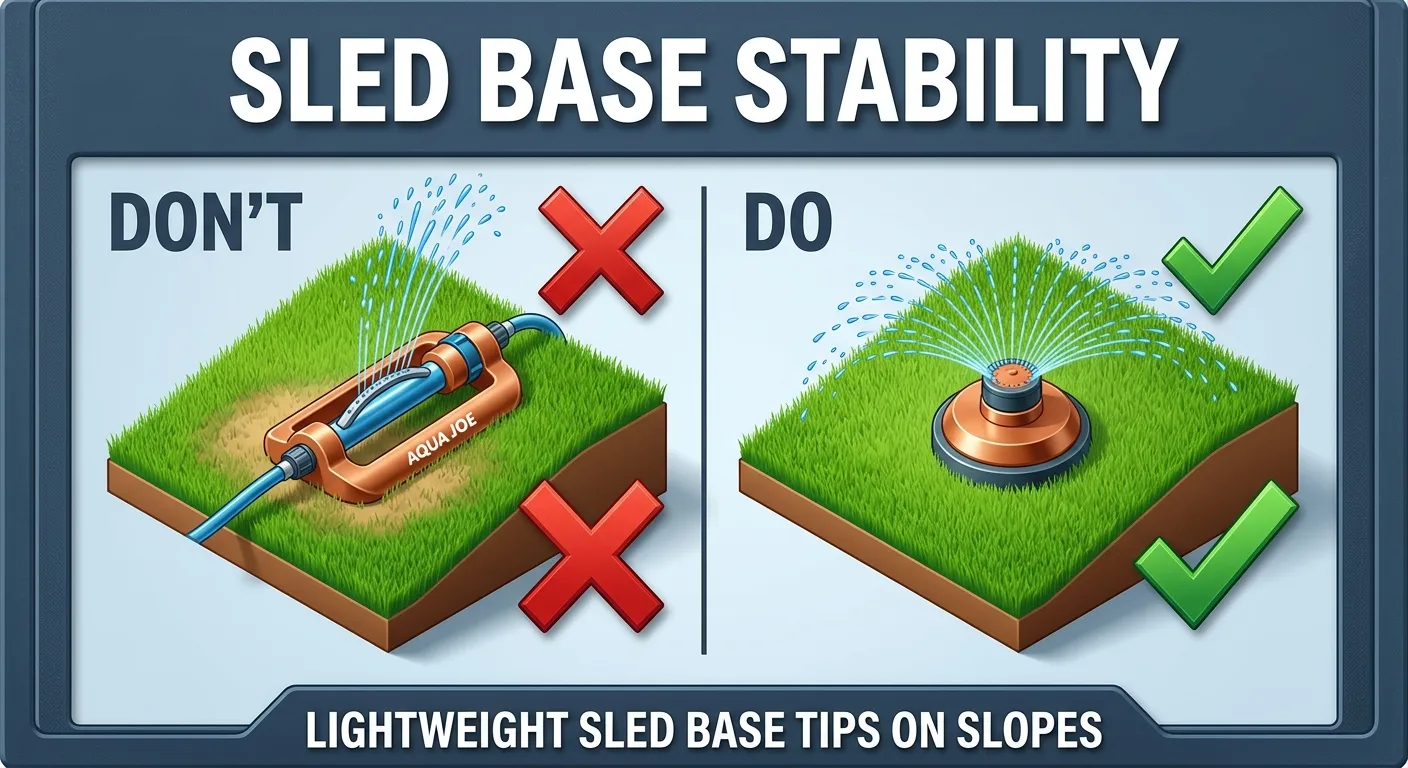
Users have been disappointed with the Aqua Joe’s overall functionality. Beyond the connector issues, many report that the part connecting the water hose detaches from the sprinkler and its base far too easily. The sled base is unstable on uneven ground, so water distribution ends up patchy. One homeowner watched the sprinkler tip over on a slight slope, leaving dry spots behind. Some customers have also found that the water coverage doesn’t live up to the manufacturer’s claims — whether in yardage or square footage. These recurring design flaws and inaccurate coverage claims raise real questions about quality control during manufacturing.
Durability and Material Quality
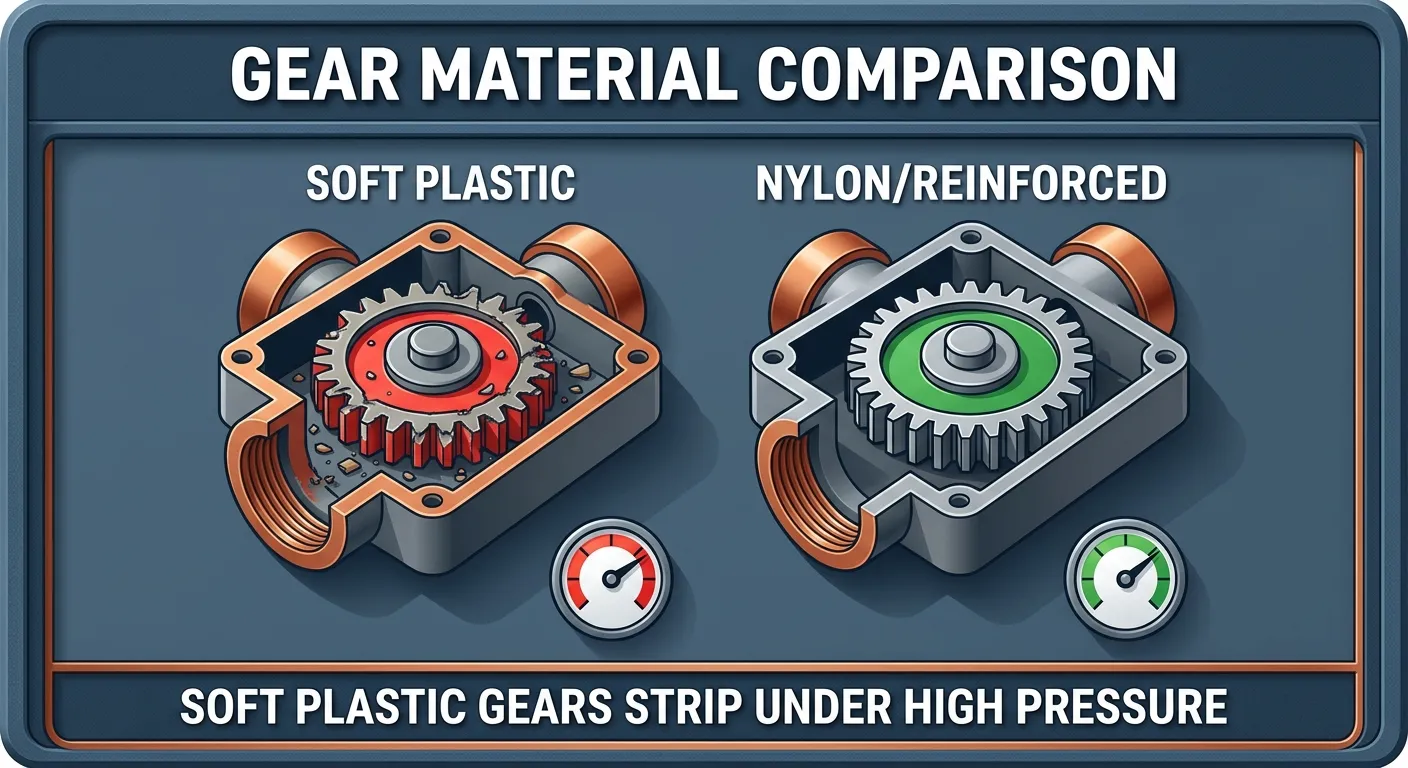
Durability is a big concern. One user pointed out that the plastic settings tabs started wearing out after just a few uses, causing the settings to shift on their own. It worked fine at first, but the lightweight, cheap-feeling plastic doesn't inspire confidence about the long haul. The plastic gears inside the sprinkler head wear out quickly, often failing within a few months. Working plumbers warn that cheap plastic gears won't hold up under high water pressure 2. You might get a season out of it on low pressure, but if your water comes out hard, those teeth won’t last.
Side-by-side comparison
Line the Aqua Joe AJ-OSPR20 up against a comparably priced oscillating sprinkler like the Melnor XT Turbo or the Gardena ZoomMaxx, and the differences jump out fast. The Aqua Joe uses a lightweight sled base and all-plastic connectors. Competitors at the same price point often include metal hose fittings and weighted bases that stay put. Coverage claims look similar on paper, but in practice the Aqua Joe’s spray pattern tends to fall short — especially if your water pressure isn’t perfect. When you’re comparing specs, don’t just look at the square footage on the box. Pay attention to what the connector and gear housing are made of, because that’s where the Aqua Joe cuts corners.
Key differences explained
Why do these differences matter once the sprinkler is in your yard? A plastic connector that leaks isn’t just annoying — it robs pressure from the spray head, so the coverage you counted on shrinks. An unstable sled base means you’ll be out there repositioning the thing every ten minutes. On a slope, you’ll end up with a swamp at the bottom and dust at the top. The gear material matters even more over time: metal-reinforced or high-density nylon gears hold their shape, but the softer plastic inside the Aqua Joe strips under load. You’re left with a sprinkler that either stops oscillating or drifts off its settings mid-watering. These aren’t spec-sheet abstractions — they’re the difference between setting it and forgetting it versus babysitting a sprinkler all summer.
When to choose X
Choose the Aqua Joe AJ-OSPR20 only if you’re on a very tight budget, you have perfectly flat ground, and your water pressure is moderate and consistent. It can work as a temporary backup or for a small, level patch of lawn where you don’t mind keeping an eye on it. If you’re comfortable doing a little DIY right out of the box — sealing the connector, maybe weighting the base — you might squeeze acceptable performance from it for a season. But go in with your eyes open: this isn’t a set-it-and-forget-it tool.
When to choose Y
Pick a competing model like the Melnor XT Turbo or Gardena ZoomMaxx when you want to hook up the hose, turn the water on, and walk away. These alternatives typically come with metal hose fittings, more stable bases, and gear mechanisms that hold up under higher pressure. If your lawn has any slope, if you water large areas, or if you simply don’t want to spend your Saturday afternoon troubleshooting a brand-new sprinkler, the extra ten or fifteen dollars buys you a lot less frustration. You’ll spend less time fixing leaks and more time enjoying a green lawn.
Cost considerations
The Aqua Joe AJ-OSPR20 usually sells in the $15–$20 range, which makes it tempting as an impulse buy. But factor in the cost of a hose clamp, sealant, Teflon tape, and possibly a replacement connector — plus your time — and the “savings” shrink fast. A more durable oscillating sprinkler with metal fittings and a weighted base runs $25–$35 and will likely outlast two or three Aqua Joes. If you’re watering a small, flat area and don’t mind a potential return, the low upfront price might be worth the gamble. For everyone else, spending a little more now avoids buying twice.
Frequently Asked Questions
Why does my Aqua Joe sprinkler leak at the hose connection right away? The plastic connector sleeve often doesn’t seal properly against standard hose fittings. Even with a fresh rubber washer, the molding tolerances can be off, causing immediate leaks and pressure loss.
Can I fix the leak myself? Some homeowners have reduced leaks by applying Teflon tape, replacing the O-ring, or using sealant and a hose clamp. But experienced plumbers note that persistent connector leaks often point to a manufacturing defect rather than a simple fix 1. If a new washer and careful tightening don’t stop it, the unit is likely defective.
Does the Aqua Joe cover the square footage it claims? Not reliably. Customers report that actual coverage falls short of the manufacturer’s claims, especially if water pressure is less than ideal or the sled base shifts on uneven ground.
How long does the Aqua Joe sprinkler last? Durability varies, but the plastic gears inside the sprinkler head wear out quickly, leading to failure within a few months. Working plumbers caution that cheap plastic gears strip easily, especially under high water pressure 2.
Is the sled base stable on slopes? No. The lightweight sled base tends to tip on even slight inclines, causing uneven water distribution and dry patches. You’ll likely need to reposition it frequently.
What should I buy instead? Look for oscillating sprinklers with metal hose fittings, a weighted or wide-stance base, and gears made from high-density nylon or metal-reinforced plastic. Models from Melnor and Gardena in the $25–$35 range consistently outlast and outperform the Aqua Joe.