
What do I do if my hot water heater is leaking from the top
You walk into the utility closet or garage and see water pooling on top of your water heater — that sinking feeling is one every homeowner dreads. Take a deep breath. You’re not alone, and you can handle the first steps right now. First, shut off the power (electric) or gas supply and the cold water inlet to prevent further damage 1. If you skip this, a small leak can turn into a flood or an electrical hazard while you’re figuring out what’s wrong.
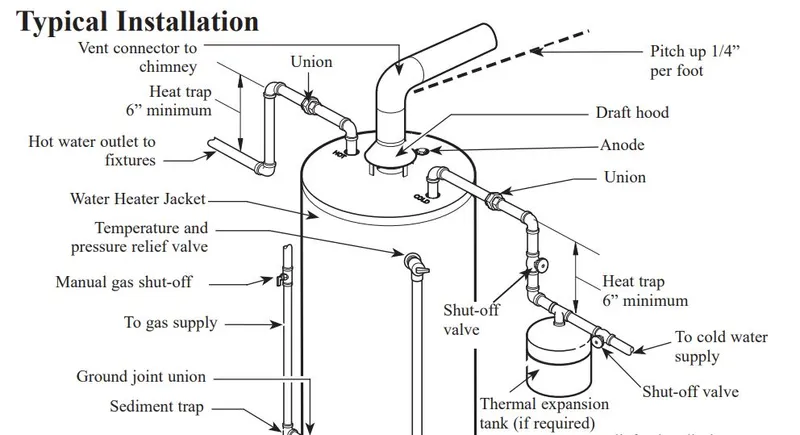
Once the unit is safely off, inspect the area around any pipe or fitting connections for loose fittings or defective valves. Tighten them or replace the valves as needed. Another common cause is a faulty temperature and pressure (T&P) valve. Plumbing code requires these safety valves on all tank-type water heaters to prevent dangerous pressure buildup. If you suspect this is the issue, replace the valve immediately.
Leaks from the top can also come from excessive pressure building up in the system. If that’s the case, you’ll need to identify and remedy the underlying problem to prevent further leaks. If the leak is more complex or you’re unsure what’s causing it, call a professional plumber.
Regular maintenance helps prevent leaks and other issues. Proper installation following building code requirements is also critical for long-term reliability and safety. If you haven’t already, schedule a maintenance check with a professional at the interval recommended by the manufacturer.
Reasons for hot water heater is leaking from top
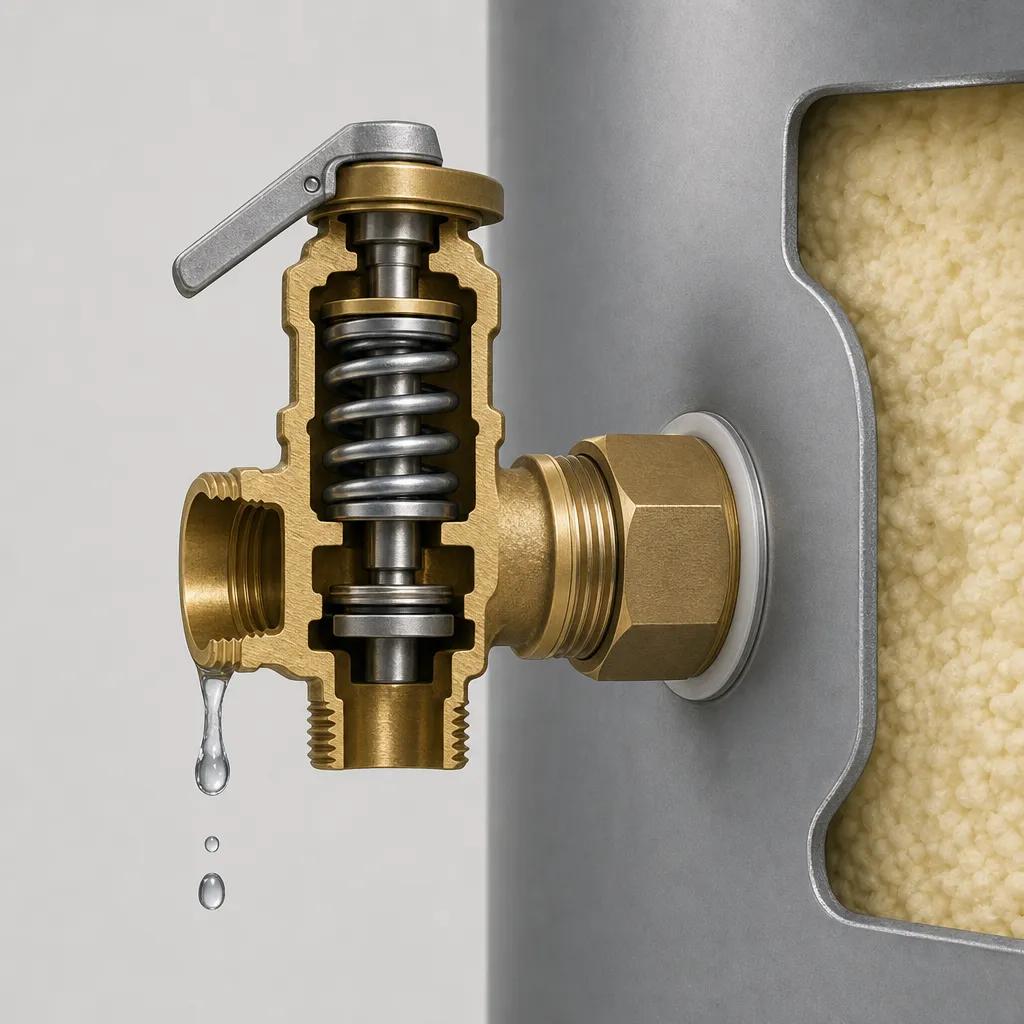
Water on top of your heater can come from a few places. You’ll often find a leaking T&P valve, loose inlet or outlet connections, a corroded anode rod, or — in the worst case — a cracked tank 2. One homeowner learned the hard way that the leak looked like it was right around the anode rod — a spot many people overlook 2. Check for:
- Loose fittings
- Faulty valves, including the cold water valve and T&P valve
- Gasket leaks
- Pooling water on top of the heater from inlet or outlet pipe leaks
- Water seeping through the gas line surface, collecting on top.
A leaking T&P valve often points to thermal expansion in a closed system 2. If your home has a backflow preventer or pressure-reducing valve on the main supply, pressure builds with nowhere to go. The T&P valve opens to relieve it — but then it may not reseat properly. Contact your water supplier or local plumbing inspector to correct this 2.
You might also see water seeping across the tank surface right after installing a new heater. That’s usually condensation — the tank material absorbs heat and gets colder than the surrounding air. If that’s what you’re seeing, you’ve got nothing to worry about.
Electric hot water heater leaking from top
Water pooling on top of your electric water heater? You're likely dealing with a loose fitting, a failing valve, or a T&P valve that's letting go. Sometimes it's just a connection that's worked itself loose over time, other times it's a sign of too much pressure or heat in the tank. You'll need to track down the exact source, then tighten things up, swap a bad valve, or replace that T&P if it's the culprit.
On an electric unit, a leaking T&P valve is a simple fix — you can swap it for a standard 3/4-inch NPT valve rated for 150 psi and 210°F, like the Rheem PROTECH SP12574 3. Just make sure you kill the power at the breaker and drain the tank below the valve before you unscrew anything.
⚠️ Warning: Working on an electric water heater without cutting power at the breaker can cause severe electric shock. Double-check with a non-contact voltage tester before touching any wiring.
Gas hot water heater leaking from top
A leak from the top of a gas hot water heater may also be caused by loose fittings, defective valves or fittings, or a leaky T&P valve, as well as excessive pressure or temperature in the system. As with an electric hot water heater, you’ll need to identify the source of the leak and take appropriate action.
Gas water heaters require proper venting; backdrafting can melt plastic fittings and cause leaks 1. If you notice the plastic escutcheons around the fittings near the hood vent look warped or melted, combustion gases aren’t drafting up the flue the way they should. That’s a serious safety issue — carbon monoxide can spill into your home — so shut the gas off and call a pro immediately.
⚠️ Warning: A backdrafting gas water heater can release carbon monoxide into living spaces. If you smell exhaust or see melted plastic near the vent hood, leave the area and call a licensed plumber or HVAC technician.
Tankless hot water heater leaking from top
If your tankless hot water heater is leaking from the top, the culprit is usually a faulty T&P valve. You'll want to replace or repair that valve first. But don't overlook the pipe fittings—loose connections or defective fittings can also cause leaks up top.
Is it safe to use hot water heater if is leaking from top?
Don't use a water heater that's leaking from the top — shut it off right away and call a plumber 1. Experienced plumbers don't mince words when they see a leaking tank. One will flat-out congratulate you on your new water heater because the old one isn't fixable 1. If it's electric, a leaking water heater can cause shocks or a fire. So you'll want to find the source of the leak and fix it as soon as possible. If you're not familiar with your water heater, hire a professional plumber or a qualified technician who can handle the leak safely.
What can I do if my hot water heater is leaking from top?
If you have general plumbing knowledge, try identifying where the actual leak is happening. But always disconnect any electrical supply or gas supply to the water heater.
If you see water pooled on top of the heater: Wipe the puddle dry and watch for more water to appear. Check the plumbing lines and any gas lines coming in from outside — sometimes water seeps along a line and collects on top of the tank. Then power the heater back on and use it for a little while. Check again. If nothing reappears, the water likely came in from outside the heater rather than the heater itself.
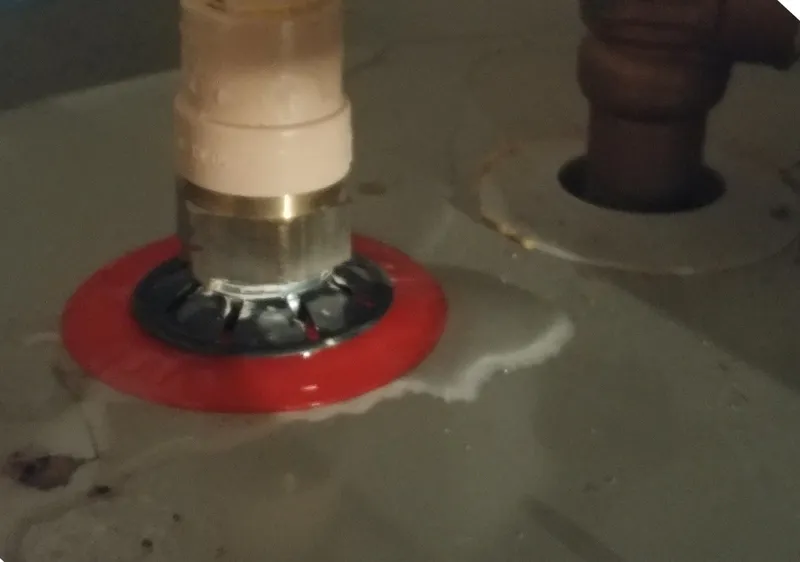
If the leak is at the cold water valve: Try tightening the shut-off valve's connectors and union if they're loose. If the valve body itself is damaged, replace it.
If the leak is near the T&P valve:
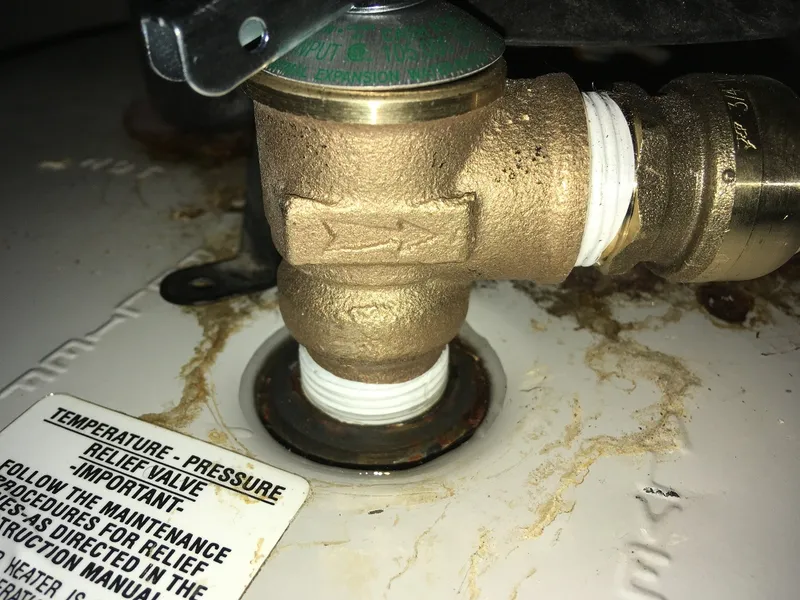
Look closely at the source. A loose connection just needs tightening. But if the T&P valve itself has failed, swap it out right away.
Can I repair leaks from top of the tank type water heaters?
If you've done some DIY plumbing and have pipe wrenches handy, you can handle simple fixes like tightening loose fittings and valves. Minor leaks from fittings or the T&P valve are repairable, but tank leaks aren't 2. Sometimes, tightening those connections solves the problem right then and there 2. But if the tank itself is compromised, experienced plumbers will tell you that a leak now only gets worse 2.
If you're unsure, you're better off calling a professional plumber or water heater installer. If you have a service agreement with your supplier, they might be obligated to handle regular repairs on your water heater system.
How to prevent further damages to your water heater if it is leaking from top?
Fix the leak as fast as you can. The longer you leave it, the more damage adds up — efficiency drops, performance suffers, and small leaks can turn into real safety problems.
In the meantime, place a bucket under the leak, turn off the water and power, and call a licensed plumber 4. A licensed plumber will isolate pressure, examine each connection, and test the heater under operating conditions 4. If you're comfortable handling it yourself, do that right away. Otherwise get a professional plumber or water heater installer in immediately to find and fix the source.
How much will it cost to repair a leaking hot water heater?
According to this Forbes article, it could cost you $500 – $1,500, depending on the nature of the repair. You can call a few service providers and ask them for quotations. But don’t skip simple repairs to save money — that can cost you thousands later if the whole system fails.
Replacement costs vary, and homeowners report that a 15-year-old unit is at end of life and replacement is more cost-effective than repair 5. One homeowner put it perfectly: 15 years is a great lifespan for a hot water heater — maybe it’s a message from your future self telling you to replace it now 5.
Do I need to replace my hot water heater if it is leaking from top?
In most cases you don't have to replace the heater if it's leaking from the top. Get a professional to prepare a repair quote, then check what installing a brand-new system would cost. With both numbers in hand, you can make the call.
If the tank itself is leaking — not a fitting — replacement is the answer. Water heaters over 10 years old typically aren't worth repairing 1. Working plumbers are direct about this: if a water heater is over 10 years old and you run into issues, you're better off replacing than fixing anyway 1.
If your heater is old and inefficient, weigh the long-run energy savings of a modern unit too. Repair cost, replacement cost, and energy cost together tell you which way to go.