Water heaters are one of the most critical appliances in your home, providing hot water for showers, dishwashing, laundry, and more. This comprehensive guide brings together expert advice on choosing the right size, troubleshooting common problems, understanding different types, and following code requirements. Whether you're dealing with a leak, planning an installation, or just want to understand how your water heater works, you'll find the answers here.
Understanding Water Heaters: Types and Technologies
Water heaters are among the most critical appliances in residential plumbing systems, responsible for approximately 18-25% of total home energy consumption. Choosing the right type and maintaining it properly can significantly impact both comfort and utility costs.
Tank-Style Water Heaters (Storage Water Heaters)
Traditional storage tank water heaters maintain a reserve of hot water ranging from 20 to 80 gallons, using gas burners, electric heating elements, or less commonly, oil-fired burners. The tank features a glass-lined steel interior protected by a sacrificial anode rod that prevents corrosion.
How They Work: Cold water enters through a dip tube, settles at the bottom where it's heated, and rises to the top due to thermal stratification. Hot water exits through the outlet pipe when fixtures are opened. A thermostat maintains temperature (typically 120-140°F), while a temperature and pressure relief (T&P) valve prevents dangerous pressure buildup.
Advantages:
- Lower Initial Investment: $300-$1,500 installed for standard models
- Simplicity: Proven technology with straightforward repairs
- Adequate Recovery: Provides substantial hot water for simultaneous uses
- No Power Needed (gas models): Works during power outages if pilot stays lit
- Familiar to Technicians: Easy to find qualified repair professionals
Disadvantages:
- Standby Heat Loss: Continuously loses heat through tank walls (10-20% energy waste)
- Limited Capacity: Can run out during high-demand periods
- Space Requirements: Requires 6-8 square feet of floor space
- Shorter Lifespan: Typically 10-15 years before tank corrosion necessitates replacement
- Sediment Buildup: Minerals accumulate at bottom, reducing efficiency over time
Common Issues: Leaks from top corrosion, sediment-related noise and inefficiency, T&P valve discharge, pilot light failures (gas), and element burnout (electric).
Tankless Water Heaters (Demand Water Heaters)
Tankless systems, also called instantaneous or on-demand water heaters, eliminate the storage tank entirely. Water flows through a heat exchanger only when needed, heated by powerful gas burners (40,000-200,000 BTU) or electric elements (up to 36 kW).
How They Work: A flow sensor detects water movement and activates the heating system. Water passes through copper or stainless steel heat exchanger coils, raising temperature 30-70°F in a single pass. Advanced models modulate burner/element output to maintain consistent outlet temperature regardless of flow rate.
Advantages:
- Energy Savings: 24-34% more efficient for homes using ≤41 gallons daily; 8-14% savings for ≥86 gallons daily
- Unlimited Hot Water: Continuous supply limited only by flow rate, not volume
- Compact Footprint: Wall-mounted units save valuable floor space
- Extended Lifespan: 20-25 years with proper maintenance and descaling
- Reduced Risk of Catastrophic Leaks: No large tank to fail and flood
Disadvantages:
- Higher Upfront Cost: $1,000-$4,500 installed, depending on fuel type and capacity
- Flow Rate Limitations: Simultaneous use of multiple fixtures may exceed capacity (typically 2-5 GPM)
- Installation Complexity: May require gas line upgrades, electrical service increases, or new venting
- Temperature Fluctuation: Can experience "cold water sandwich" effect during intermittent use
- Hard Water Sensitivity: Requires annual descaling in areas with mineral-heavy water
Sizing Considerations: Calculate simultaneous GPM demand and required temperature rise. For example, a shower (2.5 GPM) plus dishwasher (1.5 GPM) = 4 GPM minimum capacity needed. With 50°F inlet water and 120°F target, you need 70°F temperature rise capability.
Learn more in our detailed atmospheric vs tankless comparison.
Hybrid Heat Pump Water Heaters
Combining heat pump technology with electric resistance heating, hybrid models extract heat from ambient air to warm water—using 60% less energy than standard electric tanks. Best suited for installations in 1,000+ cubic foot spaces with 40-90°F ambient temperatures.
Pros: Highest efficiency (Uniform Energy Factor 2.0-4.0), eligible for utility rebates, dehumidifies installation space.
Cons: $1,200-$2,500 upfront cost, requires 7+ feet vertical clearance, slower recovery than gas, produces cool exhaust air.
Solar Water Heaters
Active or passive solar systems pre-heat water using rooftop collectors before it enters a conventional backup heater. Most cost-effective in sunny climates with high utility rates or available tax incentives.
Pros: 50-80% energy savings in optimal conditions, 20-year lifespan for quality systems.
Cons: $3,000-$9,000 installed, weather-dependent performance, requires backup system, complex installation.
Most Common Water Heater Problems and Solutions
Understanding common water heater failures helps you diagnose issues quickly and determine whether DIY repair is feasible or professional assistance is required.
1. No Hot Water (Complete Loss)
Gas Water Heater Causes:
- Pilot Light Extinguished: Thermocouple failure, draft issues, or gas supply interruption
- Gas Valve Malfunction: Faulty gas control valve preventing fuel delivery
- Burner Assembly Issues: Clogged burner orifice or flame sensor problems
- Venting Problems: Blocked flue preventing proper draft (safety lockout)
Diagnostic Steps:
- Check pilot light visible through viewing window—if out, attempt relight following manufacturer instructions
- Listen for clicking when thermostat turned up—indicates thermocouple/thermopile generating voltage
- Verify gas valve is in "ON" position and gas supply to home is active
- Test for gas smell near heater—if present, shut off gas immediately and call utility/professional
Electric Water Heater Causes:
- Tripped Breaker: Overload, short circuit, or ground fault
- Failed Heating Element: Upper element failure prevents any heating; lower element allows some hot water
- Faulty Thermostat: High-limit switch tripped or thermostat electronic failure
- Wiring Issues: Loose connections, corroded terminals, or burned wires
Diagnostic Steps:
- Check main panel for tripped 240V double-pole breaker—reset if necessary
- Press red reset button on upper thermostat (behind access panel)
- Use multimeter to test for 240V at heating element terminals
- Test element continuity (should read 10-30 ohms)—infinite resistance indicates failed element
- Check thermostat operation with voltage testing
Immediate Actions: For gas heaters, ensure proper ventilation. For electric, verify power is off before removing access panels. If problem persists after basic checks, professional diagnosis is recommended.
2. Insufficient Hot Water (Runs Out Quickly)
Tank Too Small: Household has outgrown heater capacity—see our sizing calculator.
Sediment Accumulation: Mineral deposits occupy tank volume and insulate water from heat source, reducing effective capacity by 20-40%. Solution: Annual flushing removes buildup. In hard water areas (>120 ppm), quarterly flushing may be necessary.
Failing Dip Tube: Broken or deteriorated dip tube allows cold inlet water to mix with hot water at top of tank instead of settling at bottom. Symptom: Sudden decrease in hot water availability. Solution: Replace dip tube ($15-40 part, 1-hour repair).
Crossed Connections: Hot and cold water pipes connected incorrectly elsewhere in home, allowing cold to backfeed into hot. Test: Shut off water heater supply valve—if hot water still flows at fixtures, you have crossed connections.
Thermostat Set Too Low: Gas heaters typically adjustable via dial (low/medium/high or temperature markings). Electric heaters have adjustable thermostats behind access panels. Recommended Setting: 120-125°F for safety and efficiency.
3. Water Heater Leaking
Water heater leaks range from minor nuisances to catastrophic tank failures requiring immediate replacement. Location determines severity and solution.
Leaking from Top:
- Inlet/Outlet Connections: Tighten compression fittings or replace deteriorated dielectric unions
- T&P Valve: Excessive pressure (>150 PSI), high temperature (>210°F), or valve failure—see our T&P valve troubleshooting guide
- Anode Rod Port: Rare but possible if threads corrode—requires professional re-threading or tank replacement
Comprehensive diagnostic guide: Water heater leaks from top
Leaking from Bottom:
- Drain Valve: Sediment prevents proper seating or valve washer deteriorates—see drain valve replacement
- Tank Corrosion: Glass lining failure exposes steel to water, causing rust-through—REQUIRES IMMEDIATE REPLACEMENT
- Condensation: Normal during initial heating cycles; persistent condensation indicates venting issues (gas) or high humidity
Critical Warning: If leak originates from tank body (not fittings/valves), shut off water supply and power/gas immediately. Tank failure can discharge 40-80 gallons within minutes, causing extensive water damage. Consider expansion tank installation to reduce thermal expansion stress that contributes to tank failures.
Leaking from T&P Valve Discharge: Normal during heating cycles if system pressure exceeds 150 PSI or temperature exceeds 210°F. Continuous discharge indicates:
- Excessive water pressure (install pressure-reducing valve)
- Thermal expansion in closed system (install expansion tank)
- Failed T&P valve (replace—safety critical component)
- Thermostat malfunction causing overheating
4. Rusty or Discolored Water
Brown/Red Water:
- Anode Rod Depletion: Sacrificial magnesium or aluminum rod completely corroded, allowing tank rusting—URGENT: Replace immediately to prevent tank failure
- Sediment Disturbance: Flushing or water pressure changes stir settled rust—usually clears after running water several minutes
- Pipe Corrosion: Galvanized steel pipes rusting (check cold water also affected)
White/Cloudy Water: Dissolved air bubbles (harmless) or calcium carbonate in hard water areas.
Blue/Green Water: Copper pipe corrosion from acidic water (pH < 7)—indicates need for water treatment.
Black Water: Magnesium anode rod reaction with sulfate-reducing bacteria—install powered anode rod to eliminate odor and discoloration.
Solution Protocol: Draw off 5 gallons through drain valve—if discoloration clears, issue is sediment. If persistent, inspect anode rod and consider replacement ($20-60 part). If cold water also affected, problem is in supply pipes, not heater.
5. Strange Noises (Rumbling, Popping, Kettling)
Popping/Rumbling: Sediment layer at tank bottom traps water beneath it. As trapped water boils, steam bubbles violently percolate through sediment. This severely reduces efficiency (up to 30% energy waste) and accelerates tank corrosion by overheating tank floor.
Solution: Drain 3-5 gallons monthly in hard water areas; complete tank flush annually. Severe cases may require professional descaling with acidic cleaner or vinegar treatment. Preventive maintenance covered in our maintenance schedule.
Sizzling/Hissing: Water dripping onto hot burner assembly (gas) or heating elements (electric)—indicates leak. Condensation during initial heating is normal; persistent noise requires investigation.
Hammering/Knocking: Water hammer from loose pipe mounting or quick-closing valves—install water hammer arrestors at problematic fixtures.
Ticking: Normal thermal expansion/contraction of heating elements or tank materials during heating cycles.
Screeching/Singing: Partially closed valve restricting flow, or pressure-reducing valve malfunction.
6. Foul-Smelling Hot Water (Rotten Egg Odor)
Cause: Sulfate-reducing bacteria (SRB) react with magnesium/aluminum anode rod, producing hydrogen sulfide gas. More common in well water and softened water systems.
Solutions:
- Shock Treatment: Heat water to 160°F, drain through all fixtures to kill bacteria (temporary fix)
- Hydrogen Peroxide Flush: Add 2 pints 3% hydrogen peroxide to tank, circulate, wait 2 hours, flush completely
- Chlorine Treatment: Add 1-2 cups household bleach, circulate through system, wait 24 hours, flush thoroughly
- Powered Anode Rod: Replace sacrificial anode with electronic model ($200-300)—permanent solution
- Increase Temperature: Maintain 140°F+ (kills SRB but increases scalding risk)
Prevention: Install whole-house water filter or chlorination system for wells with SRB.
7. Water Temperature Issues
Too Hot (>130°F at fixtures):
- Thermostat Malfunction: Failed thermostat or high-limit switch—safety hazard requiring immediate attention
- Incorrect Calibration: Dial position doesn't match actual temperature—verify with thermometer
- Single-Element Failure (electric): If upper element fails, lower element alone may overheat tank bottom
Scalding Prevention: 120°F setting prevents burns while inhibiting Legionella bacteria growth. Homes with dishwashers lacking boost heaters may benefit from 130-140°F setting.
Too Cold (<105°F at fixtures):
- Thermostat Set Too Low: Adjust incrementally; allow 30 minutes for stabilization
- Undersized Heater: Demand exceeds First Hour Rating—see sizing guide
- Incoming Water Colder Than Expected: Winter groundwater temperatures drop 10-20°F, reducing effective capacity
- Mixing Valve Malfunction: Thermostatic mixing valves can fail closed to hot side
Temperature Fluctuations:
- Tankless Units: "Cold water sandwich" effect from short cycling—normal but annoying
- Crossover Circulation: Hot water recirculation systems can cause temperature variations if improperly balanced
- Failed Heating Element (electric): If lower element fails, hot water available only briefly before cold inlet water reaches outlet
Water Heater Sizing Guide: Calculating Exact Capacity Needs
Proper sizing prevents frustrating cold showers and wasteful energy consumption. Oversized heaters incur unnecessary standby heat loss; undersized units leave you without adequate hot water during peak demand.
Tank Water Heater Sizing (Storage Capacity Method)
The First Hour Rating (FHR) printed on the yellow EnergyGuide label indicates how many gallons of hot water the heater can supply in one hour of peak demand. This accounts for both stored volume and recovery rate (how quickly the heater reheats incoming cold water).
Step 1: Determine Peak Hour Demand
Calculate maximum hot water usage during your household's busiest hour (typically 6-8 AM or 6-8 PM):
Morning Routine Example:
- 2 showers (10 minutes each @ 2.5 GPM = 25 gallons × 2): 50 gallons
- Shaving/washing (2 people × 2 gallons): 4 gallons
- Dishwasher (partial load): 6 gallons
- Coffee maker/cooking: 2 gallons
- Total Peak Hour Demand: 62 gallons
Typical Fixture Hot Water Usage:
- Shower (10 min, standard head): 20-25 gallons
- Shower (10 min, low-flow head): 12-15 gallons
- Bath (standard tub): 30-40 gallons
- Dishwasher (full cycle): 10-15 gallons
- Washing machine (hot/warm cycle): 25-40 gallons
- Kitchen sink (hand washing dishes, 5 min): 4-6 gallons
- Bathroom sink (shaving/washing, 2 min): 2-4 gallons
Step 2: Match FHR to Peak Demand
Select a water heater with FHR rating meeting or slightly exceeding your peak hour calculation. Our detailed sizing calculator provides personalized recommendations.
Quick Reference by Household Size:
- 1-2 people: 30-40 gallon tank (FHR 40-53) - adequate for minimal simultaneous use
- 2-3 people: 40-50 gallon tank (FHR 53-67) - handles morning rush with moderate conservation
- 3-4 people: 50-60 gallon tank (FHR 67-81) - comfortable capacity for typical family
- 4-5 people: 60-80 gallon tank (FHR 81-98) - supports multiple simultaneous uses
- 5+ people: 80+ gallon tank (FHR 98+) - large families or high-demand households
Recovery Rate Considerations: Gas heaters recover faster than electric—a 40-gallon gas heater (40,000 BTU) may outperform a 50-gallon electric in peak demand scenarios. Gas recovery: 40-50 gallons/hour. Electric recovery: 12-20 gallons/hour.
Tankless Water Heater Sizing (Flow Rate Method)
Tankless units are sized by maximum flow rate (GPM) and temperature rise capability rather than storage volume.
Step 1: Calculate Required Flow Rate
List all fixtures potentially used simultaneously and sum their GPM:
Example Simultaneous Use Scenario:
- Master shower: 2.5 GPM
- Second bathroom shower: 2.0 GPM (low-flow head)
- Kitchen sink (rinsing): 1.5 GPM
- Total Required Flow Rate: 6.0 GPM
Typical Fixture Flow Rates:
- Standard shower head: 2.0-2.5 GPM
- Low-flow shower head: 1.5-2.0 GPM
- Bathroom faucet: 0.5-1.5 GPM
- Kitchen faucet: 1.5-2.2 GPM
- Dishwasher: 1.0-2.5 GPM
- Washing machine: 1.5-3.0 GPM
Step 2: Determine Required Temperature Rise
Temperature rise = desired outlet temperature minus inlet water temperature.
Formula: Inlet Temp → Tankless Heater → Outlet Temp (Target: 120°F)
Groundwater Temperature by Region (approximate):
- Northern states (winter): 35-45°F → requires 75-85°F rise
- Southern states (winter): 50-65°F → requires 55-70°F rise
- Summer nationwide: Add 10-15°F to winter temps → lower rise needed
Example Calculation:
- Inlet water: 50°F (winter, northern climate)
- Target outlet: 120°F
- Required temperature rise: 70°F
- Required flow rate: 6.0 GPM (from Step 1)
- Heater Needed: Unit rated for 6+ GPM at 70°F rise
Step 3: Select Appropriate Tankless Unit
Match manufacturer specs to your calculated requirements. Most tankless heaters list GPM capacity at various temperature rises (e.g., 7.0 GPM @ 60°F rise, 4.8 GPM @ 85°F rise).
Fuel Type Considerations:
- Gas Tankless: 140,000-199,000 BTU models handle whole-house demands (6-8 GPM @ 70°F rise)
- Electric Tankless: Typically serve point-of-use applications (2-4 GPM) due to high amp requirements; whole-house models need 150-200 amp service
Climate Adjustment: Northern homeowners should size for worst-case winter inlet temperatures to avoid capacity shortfalls during coldest months.
Hybrid/Heat Pump Sizing
Size hybrid heat pump water heaters using same FHR method as conventional tank heaters, but account for slower recovery rates. Models typically offer 50-80 gallon capacities with electric resistance backup for high-demand periods.
Space Requirements: Minimum 1,000 cubic feet ambient air, 40-90°F temperature range, 7+ feet vertical clearance for top-discharge models.
Installation Code Requirements and Safety Standards
Water heater installations must comply with local building codes, which typically adopt International Plumbing Code (IPC), Uniform Plumbing Code (UPC), or state-specific amendments. Always verify requirements with your local authority having jurisdiction (AHJ) and obtain necessary permits.
International Plumbing Code (IPC) - Core Requirements
The IPC governs water heater installations in most U.S. jurisdictions. Critical provisions include:
Temperature and Pressure Relief (T&P) Valve
IPC Section 504.6: All tank-type water heaters must have ASME-rated T&P relief valve installed at the top or upper 6 inches of the tank.
Specifications:
- Pressure Rating: 150 PSI (pounds per square inch)
- Temperature Rating: 210°F maximum
- Capacity: Must match or exceed water heater's BTU input rating
- Installation: Direct connection to tank (no valves, tees, or restrictions between T&P and tank)
Discharge Pipe Requirements (IPC 504.6.1):
- Material: Copper, CPVC (rated 210°F), or approved metal piping
- Size: Same diameter as T&P valve outlet (typically ¾")
- Termination: Within 6-24 inches of floor, over approved drain, or to exterior
- Prohibition: No threads at discharge end (prevents capping), no upward turn before downward run
- Support: Properly secured to prevent sagging
For detailed T&P valve troubleshooting, see our T&P valve leaking guide.
Expansion Tanks
IPC Section 607.3: Required in "closed" water systems—those with backflow preventers, check valves, or pressure-reducing valves that prevent thermal expansion from flowing back to the water main.
Thermal Expansion Explained: When water heats from 50°F to 120°F, volume increases ~2%. In a 50-gallon tank, this creates 1+ gallon of excess volume. Without expansion accommodation, pressure can spike to 150+ PSI, causing:
- T&P valve discharge
- Premature tank failure
- Pipe stress and leaks
- Fixture damage
Sizing: Expansion tank volume should equal 10% of water heater capacity (5-gallon expansion tank for 50-gallon heater). Learn more in our expansion tank installation guide.
Installation Location: Cold water supply line, between check valve and water heater, with shutoff valve for serviceability.
Drain Pans and Drainage
IPC Section 504.7: Required when water heater installed:
- Above living spaces
- In attics, ceilings, or enclosed spaces
- Where leakage could cause property damage
Pan Specifications:
- Material: Galvanized steel (24-gauge min), plastic, or aluminum
- Depth: 1.5-2 inches minimum
- Diameter: Extends 2 inches beyond heater on all sides
- Drain: ¾" minimum drain line to floor drain, exterior, or visible location (allows leak detection)
Seismic Restraints
IPC Section 301.18 (Seismic Risk Categories D, E, F): Water heaters in earthquake-prone zones require anchoring:
Strapping Requirements:
- Two straps: One at upper third of tank, one at lower third
- Material: 22-gauge galvanized steel or approved equivalent, 1-inch minimum width
- Attachment: Straps secure to wall studs (not drywall alone) or concrete with approved fasteners
- Clearance: ¼" between strap and combustible materials
- Legs: Tank must rest on 1-2" high platform or have blocking to prevent sliding
Earthquake damage prevention: Preventing water heater explosions covers safety measures.
Clearances and Accessibility
IPC Sections 306.3 & 504.3:
- Combustible Clearances (gas): 6 inches from combustibles unless listed for lesser clearance
- Front Access: 24-30 inches minimum for service access
- Flue Clearance (gas): 6 inches from combustible materials
- Garage Installation (gas): Burner/ignition source must be 18 inches above floor (vehicle fuel vapors)
Gas Water Heater Venting (International Mechanical Code)
Gas-fired water heaters require proper venting per International Mechanical Code (IMC) to safely remove carbon monoxide and combustion byproducts.
Atmospheric Venting (Natural Draft)
IMC Chapter 8: Traditional atmospheric venting relies on buoyancy of hot exhaust gases.
Type B Vent Requirements:
- Material: Factory-built double-wall Type B vent (UL 441 listed)
- Sizing: Manufacturer's venting tables determine diameter based on BTU input, vent height, and lateral run
- Vertical Rise: Minimum 12 inches vertical before any horizontal offset
- Slope: ¼ inch rise per foot of horizontal run (upward toward termination)
- Termination: 5 feet above highest connected appliance draft hood, proper clearance from windows/openings
- Connector: Single-wall connector allowed indoors if 6-inch clearance from combustibles maintained
Single-Wall Vent: May be used for connector (from draft hood to chimney) but not recommended for entire run.
Common Atmospheric Models: Learn about atmospheric water heaters and their specific venting needs.
Power Vent Systems
IMC Section 804.3: Fan-assisted venting allows horizontal runs and flexible placement.
Advantages:
- Horizontal venting through sidewall (no vertical chimney needed)
- Longer vent runs permitted (up to 50+ feet with proper sizing)
- Can vent in Category I (metal) or Category III (PVC/CPVC, depending on model)
Requirements:
- Electrical: Dedicated circuit for blower motor; interlock prevents burner operation if fan fails
- Termination: Minimum 4 feet below/beside or 1 foot above openings; away from air intake
- Condensation: High-efficiency models condensing in PVC vent require condensate drain
Direct Vent (Sealed Combustion)
IMC Section 804.3: Draws combustion air directly from outdoors and vents exhaust outdoors via concentric or separate pipes.
Benefits:
- No indoor combustion air required (ideal for tight, energy-efficient homes)
- Safest option (sealed from living space)
- Can vent horizontally through wall
Requirements:
- Coaxial Vent: Single pipe-in-pipe assembly or separate intake/exhaust pipes
- Clearances: Per manufacturer specifications (typically 12 inches from windows, 6 inches from grade)
- Materials: Usually Category III stainless or PVC for condensing models
Combustion Air Requirements
IMC Section 701: Adequate combustion air prevents incomplete burning and carbon monoxide production.
Confined Space (volume < 50 cubic feet per 1,000 BTU/hr input):
- Two openings required: One within 12 inches of ceiling, one within 12 inches of floor
- Sizing: 1 square inch per 1,000 BTU (if openings communicate directly with outdoors)
- Sizing: 1 square inch per 2,000 BTU (if openings communicate with ventilated attic/crawlspace)
Unconfined Space: Adequate if volume ≥ 50 cubic feet per 1,000 BTU of total appliance input.
Mechanical Ventilation: Makeup air systems allowed if designed to prevent negative pressure that could backdraft combustion appliances.
Electrical Requirements (National Electrical Code)
Electric water heaters must comply with NEC Articles 210 and 422.
Circuit and Wiring
NEC 422.13: Dedicated circuit required—no other loads permitted.
Typical Requirements:
- Voltage: 240V for most residential units (30-80 gallon)
- Amperage: 20-30 amps based on element wattage (check nameplate)
- Conductor Size: 10 AWG copper minimum for 30A circuit, 12 AWG for 20A
- Overcurrent Protection: Circuit breaker sized 125% of nameplate rating
- Cable Type: NM-B (Romex) for dry locations, UF or conduit for wet/outdoor locations
Element Wattage Examples:
- 3,800W element @ 240V = 15.8A (requires 20A circuit minimum)
- 4,500W element @ 240V = 18.75A (requires 25A circuit, use 30A standard)
- 5,500W element @ 240V = 22.9A (requires 30A circuit)
GFCI and AFCI Protection
NEC 210.8: GFCI protection typically NOT required for water heaters (considered appliance, not receptacle). However:
- Local Amendments: Some jurisdictions require GFCI for water heaters in garages, outdoors, or wet locations
- AFCI: Arc-fault protection generally not required for dedicated appliance circuits
Grounding and Bonding
NEC 250.52(A)(1): Metal water piping system must be bonded to electrical service grounding.
Dielectric Unions: Interrupt electrical path; install grounding jumper wire (6 AWG copper minimum) around unions to maintain bonding continuity.
Plastic Pipe: If CPVC or PEX used, no bonding required for water heater itself.
Permit and Inspection Requirements
Most jurisdictions require permits for:
- Complete water heater replacement
- Fuel type conversions (electric to gas or vice versa)
- Venting modifications
- Relocation to different space
Inspection Points: Inspectors verify pressure relief, expansion tanks, venting (gas), electrical connections (electric), combustion air (gas), and seismic restraints (applicable areas).
DIY Limitations: Many jurisdictions prohibit homeowner installation of gas appliances or electrical work over certain amperage. Consult local building department. See our Professional vs DIY guidelines below.
For comprehensive code references, visit our standards section.
Maintenance Schedule
Annual Tasks
- Flush Tank: Remove 2-3 gallons to clear sediment
- Test T&P Valve: Lift lever to ensure water flows and valve reseats (read more on T&P valve maintenance)
- Check Anode Rod: Replace if less than 1/2 inch thick or heavily corroded
- Inspect Connections: Look for leaks at inlet, outlet, and drain valve
- Test Temperature: Verify thermostat set to safe 120°F
Every 3-5 Years
- Replace Anode Rod: Essential for preventing tank corrosion
- Inspect Venting (Gas): Check for blockages, corrosion, or separation
- Flush Completely: Drain entire tank for thorough cleaning (use our drain valve replacement guide for assistance)
Signs You Need Professional Help
- Persistent leaks after tightening connections
- No hot water despite functioning components
- Age exceeds 12 years with declining performance
- Major rust or corrosion visible on tank exterior
- Water has metallic taste or smell
Energy Efficiency Tips
- Lower Temperature: Each 10°F reduction saves 3-5% on water heating costs
- Insulate Tank: Add insulation blanket to older tanks (not needed on newer models)
- Insulate Pipes: Hot water pipes lose heat quickly - foam insulation helps
- Fix Leaks: Dripping faucet wastes gallons of hot water
- Use Low-Flow Fixtures: Reduce hot water consumption by 25-60%
- Timer Installation: Electric heaters can use timer to heat during off-peak hours
- Regular Maintenance: Sediment reduces efficiency by up to 30%
When to Replace vs Repair
Repair If:
- Age under 10 years
- Minor leak from replaceable component
- Simple thermostat or element failure
- Cost of repair under 50% of replacement
Replace If:
- Age exceeds 12-15 years
- Tank leaking (cannot be repaired)
- Multiple component failures
- Rust-colored water persists after flushing (may indicate anode rod failure or tank corrosion)
- Inadequate capacity for household (use our sizing guide)
- Major energy efficiency upgrade available
Average Costs:
- Gas tank replacement: $800-$1,500 installed
- Electric tank replacement: $600-$1,200 installed
- Tankless system: $1,500-$3,500 installed
- Simple repairs: $150-$500
FAQ
Q: How long does a water heater last?
A: Tank water heaters typically last 10-15 years. Tankless systems can last 20+ years with proper maintenance. Learn about sizing and maintenance to maximize lifespan.
Q: Why is my water heater making noise?
A: Rumbling or popping sounds indicate sediment buildup. Flush the tank to resolve.
Q: Can I install a water heater myself?
A: Depends on local codes. Many jurisdictions require licensed plumbers for gas installations. Electric may allow homeowner installation with permit.
Q: What temperature should I set my water heater?
A: 120°F is recommended - prevents scalding, inhibits bacteria growth, and maximizes efficiency.
Q: Do I need an expansion tank?
A: Yes, if your water system has a backflow preventer or check valve creating a "closed system." Required by most modern codes. For more details on expansion tanks and their installation, see our expansion tank guide.
Q: How often should I flush my water heater?
A: At least annually, more frequently in hard water areas. This removes sediment and maintains efficiency. Refer to our maintenance schedule for detailed flushing instructions.
Professional vs DIY
Safe DIY Tasks:
- Flushing tank
- Testing T&P valve
- Adjusting temperature
- Replacing drain valve
- Insulating tank and pipes
Hire a Professional For:
- Complete water heater replacement
- Gas line work
- Electrical upgrades (240V circuits)
- Venting modifications
- Permit-required installations (check IPC standards for your area)
- Tankless installations
Always check local building codes and permit requirements. Many jurisdictions require licensed professionals for water heater installations, especially gas units. See our standards section for code references.
Explore Topics
Leak Troubleshooting
Diagnose and fix water heater leaks from the top, bottom, T&P valve, or drain valve
Installation & Sizing
Choose the right capacity, install expansion tanks, and understand venting requirements
Types & Systems
Compare tankless, atmospheric, power vent, and recirculation systems
Safety & Maintenance
Prevent explosions, flush sediment, replace anode rods, and extend lifespan
All Articles

How to replace water heater drain valve without draining
In brief, Yes It is possible to replace the drain valve without draining the tank. But you need to be careful about power or gas supply, temperature of the water inside the tank and the flood hazards.
Read More
Installing power vent on existing heater - Possible but not recommended
It is not recommended to install a power vent on a B-vent or direct vent water heater. Doing such modification not only could be unsafe for the people who live in the house but also could void the manufacturer's warranty.
Read More
Choosing the Right Size Water Heater for Your Home - A Calculator Included
Ensure comfort and energy efficiency with the right size water heater. Learn how to determine the right size based on factors like the number of people, the size of your home, and hot water usage.
Read More
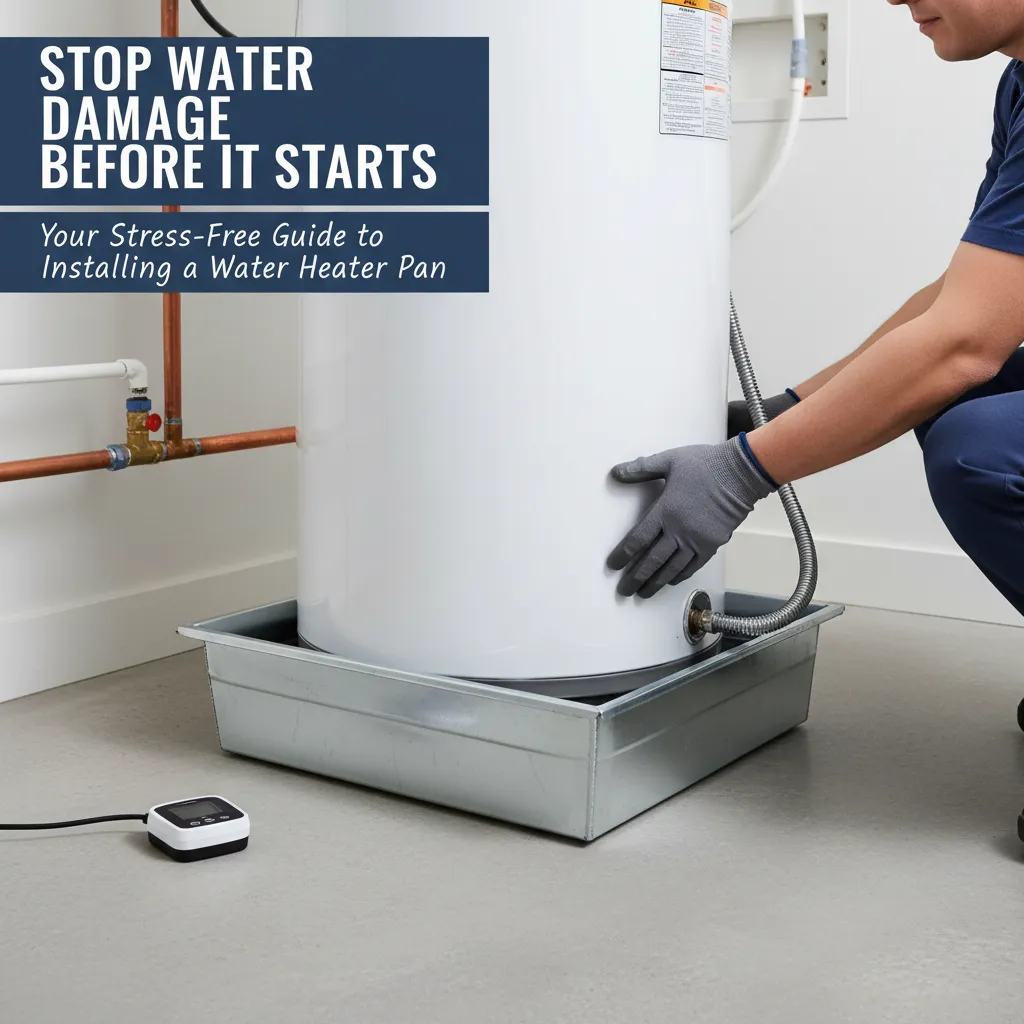
Stop Water Damage Before It Starts: Your Stress-Free Guide to Installing a Water Heater Pan
Scared of water heater leaks ruining your floors? Learn how to install a water heater pan correctly with beginner-friendly steps, safety tips, and money-saving advice. Protect your home today!
Read More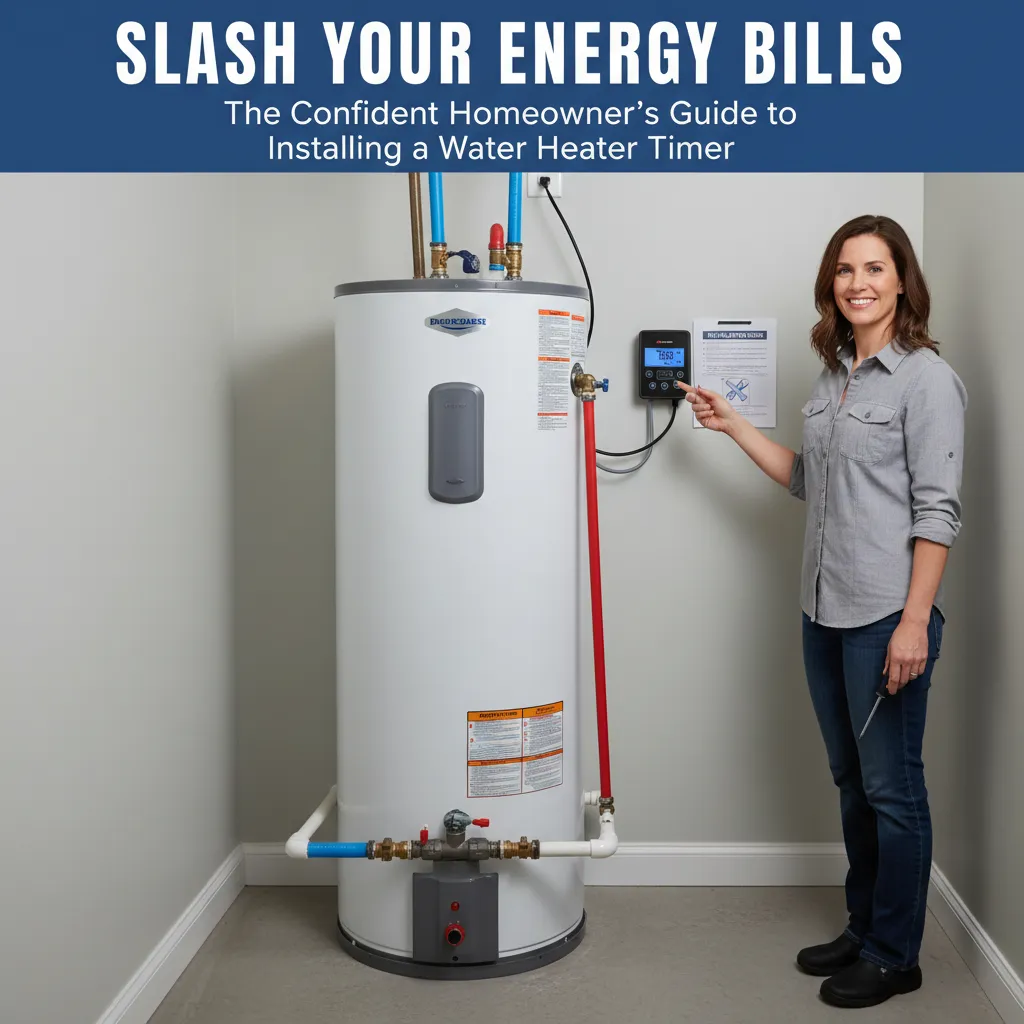
Slash Your Energy Bills: The Confident Homeowner's Guide to Installing a Water Heater Timer
Tired of paying to heat water 24/7? Learn how to safely install a water heater timer yourself with our step-by-step guide. Save up to 30% on energy bills with this beginner-friendly DIY project!
Read More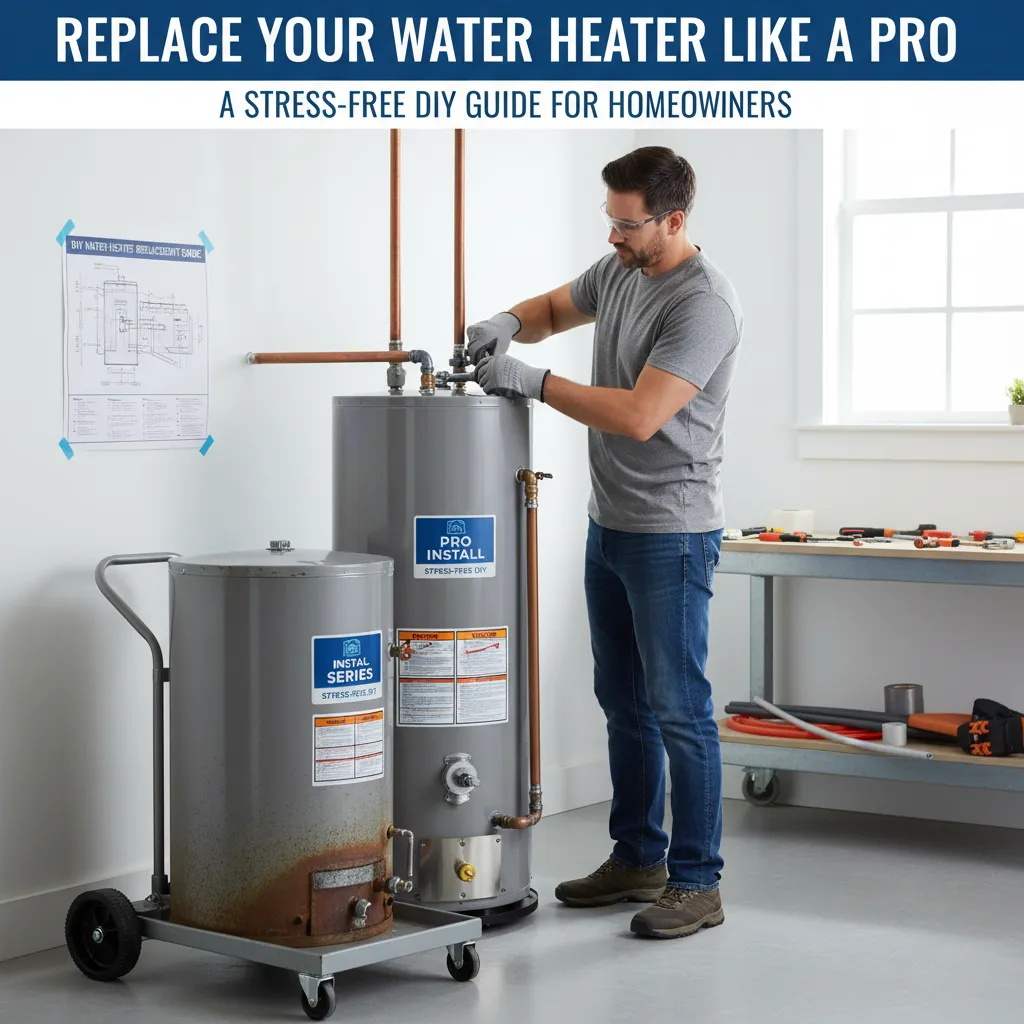
Replace Your Water Heater Like a Pro: A Stress-Free DIY Guide for Homeowners
Facing a cold shower or a leaky tank? Learn how to safely replace your hot water heater yourself with our step-by-step guide. Save money, avoid common mistakes, and get hot water flowing again.
Read More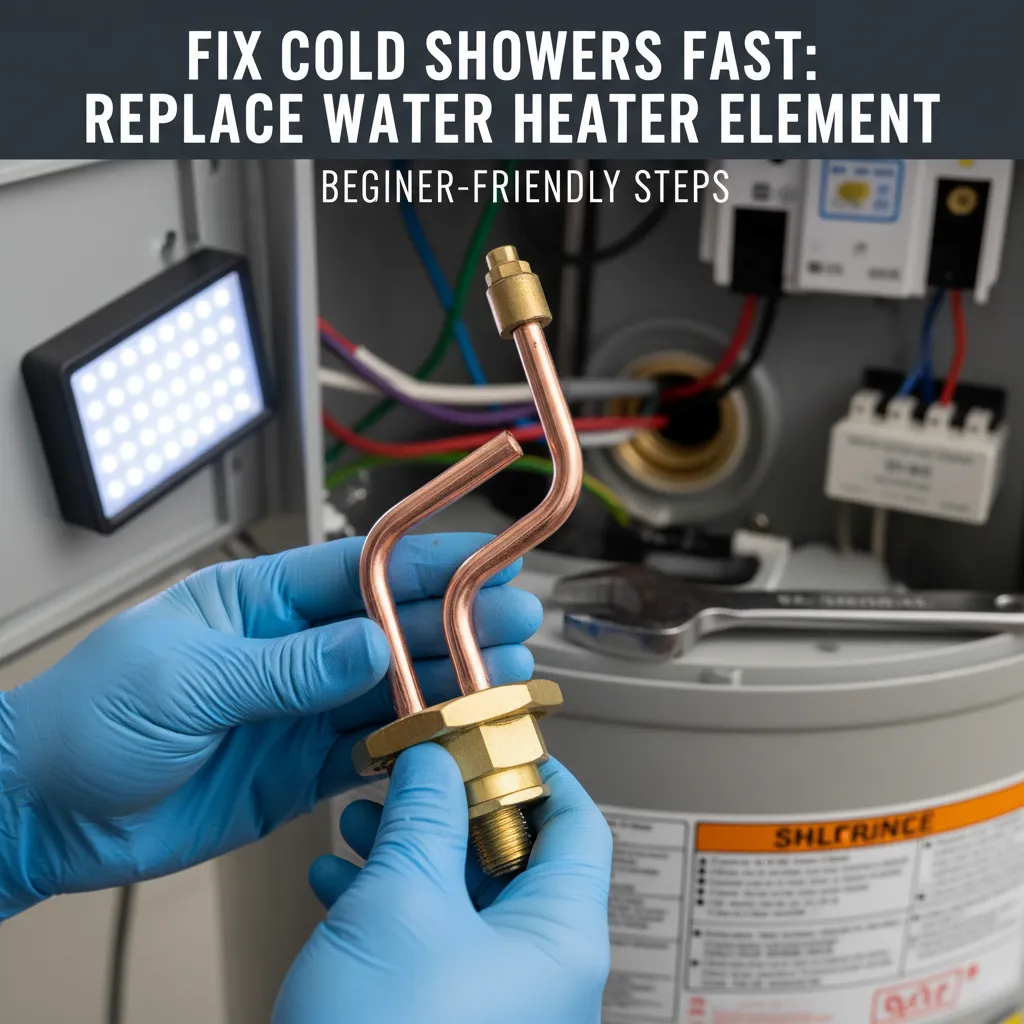
Fix Cold Showers Fast: Your Stress-Free Guide to Replacing a Water Heater Element
No hot water? Learn how to safely replace your water heater element with beginner-friendly steps. Save $300+ on a plumber with our clear DIY guide. Tools, tips, and troubleshooting included!
Read More
Replacing Your Water Heater Expansion Tank: A Step-by-Step Guide
Replace your water heater expansion tank with this simple DIY guide. Prevent leaks, maintain pressure, and follow trusted, step-by-step instructions.
Read More
Why does my t&p valve leak
Although the leaking of your T&P valve may seem like a nuisance at times, it may be only doing its job! But you need to know exactly what is the real reason behind those leaks. Other it could cause huge damages!
Read More
Preventing Water Heater Explosions - Causes, Signs, and Prevention Measures
Water heater explosions can occur due to a buildup of pressure within the tank, a malfunctioning pressure-relief valve, or a gas leak. To prevent a water heater explosion, it is important to have regular inspections and maintenance, keep the area around the water heater clear, and be aware of warning signs such as loud noises or gas leaks.
Read More
The Ultimate Guide to Atmospheric Gas Water Heaters: Understanding, Maintenance, and Benefits
Are you curious about atmospheric water heaters? If your home runs on natural gas, it's likely that you have an atmospheric gas water heater. This type of gas-powered storage-tank water heater works by burning fuel to heat up water, and the exhaust gases are vented out of your home through a large metal draft pipe at the top of the tank. In this guide, we will cover the basics of atmospheric water heaters, how they work, and their important parts, including the tank, burner, expansion tank, pressure relief, drainage, and exhaust.
Read More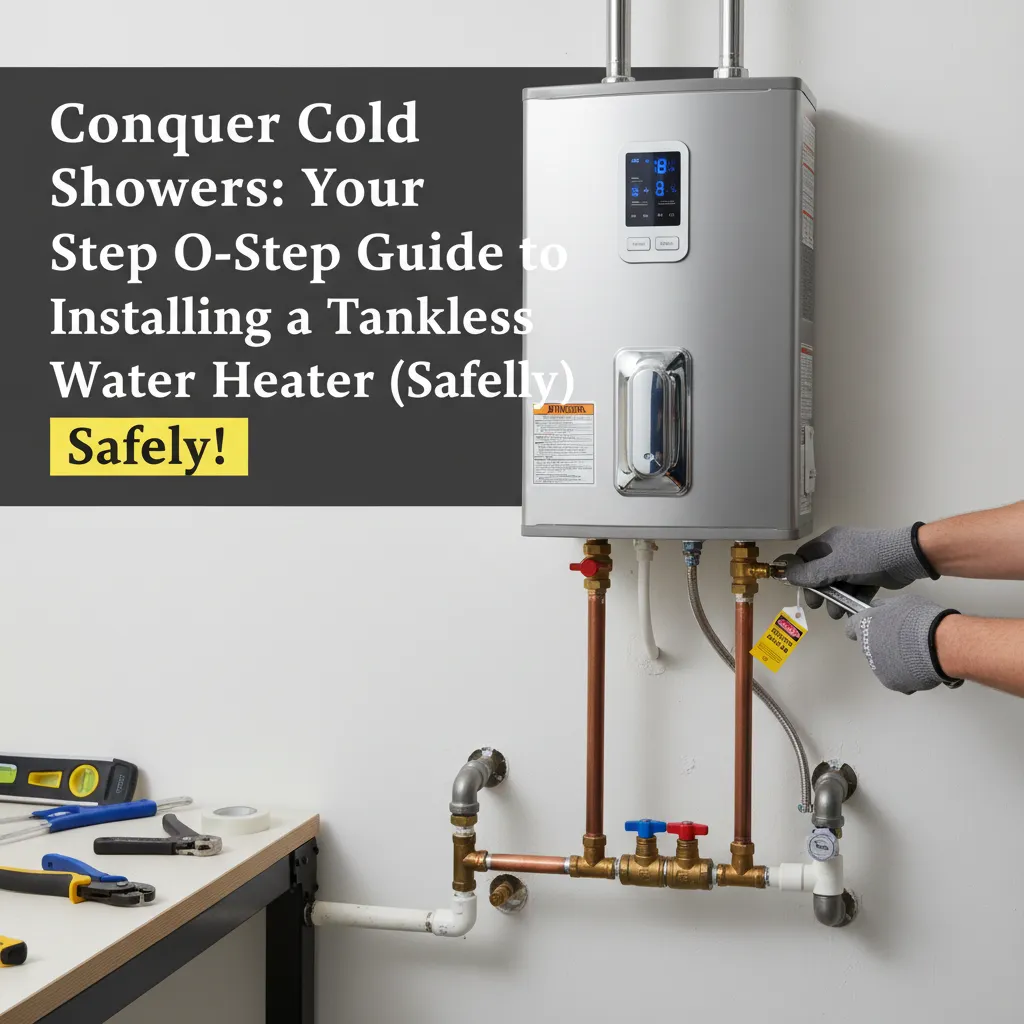
Conquer Cold Showers: Your Step-by-Step Guide to Installing a Tankless Water Heater (Safely!)
Tired of cold showers & high bills? Learn how to install a tankless water heater yourself! Our detailed DIY guide covers gas/electric, tools, safety, & mistakes to avoid. Save money & gain endless hot water.
Read More
Can Water Heater Expansion Tank Cause Low Water Pressure? Complete Troubleshooting Guide
Experiencing low water pressure after installing an expansion tank? The tank itself isn't the culprit - learn what really causes pressure drops after installation and how to diagnose and fix them fast with our complete troubleshooting guide.
Read More
Water Heater Leaking from the Top? Discover Causes and Solutions for Quick Fixes
Let's tackle a common home headache: water heater leaks from the top. Join me in discovering the reasons behind these issues and finding practical solutions for a leak-free, stress-free home.
Read More⚖️ Code Requirements & Standards
Professional plumbers follow these building codes and standards:
- IPC - Water Heater Installation Requirements - Temperature & pressure relief, expansion tanks, and seismic bracing
- IMC - Gas Water Heater Venting Standards - Combustion air, venting methods, and clearances
- UPC - Water Heater Code (Western States) - Alternative standards used in California and Western regions
🔧 Essential Tools
Pipe Wrench
For removing drain valves and connections
Multimeter
Test electrical components on electric heaters
Bucket & Hose
Drain water heater for maintenance or repair
Pressure Gauge
Check water pressure and T&P valve
Teflon Tape
Seal threaded pipe connections
Adjustable Wrench
Tighten fittings and connections