When to Call a Professional
Replacing a kitchen sink is a manageable DIY project for many homeowners, but some situations call for a licensed plumber instead. If your existing shut-off valves are corroded, frozen, or won't fully stop the water, don't force them — a snapped valve can flood your kitchen. Similarly, if you discover galvanized steel pipes, extensive corrosion, or a drain line that doesn't match the standard 1-1/2" size, the job moves beyond a simple swap. Moving the sink to a new location, altering the countertop cutout, or working with stone countertops that require professional templating are also signs to step back. And if your local code requires a permit for sink replacement — some municipalities do, especially when plumbing lines are modified — hire a pro who can pull the permit and ensure the work passes inspection 1. When in doubt, the cost of a plumber is cheaper than repairing water damage from a failed DIY attempt.
Safety Considerations
Always shut off the water supply before you start. Wear safety goggles when cutting pipes or scraping old putty — those shards can fly. Support heavy sinks with your knees, not your back, and never force stuck connections. Apply penetrating oil and give it time to work. Check for electrical wires before drilling, and keep the area dry to prevent slips. Have a phone nearby in case of emergencies.
Don't use thread sealant tape on connections that seal with rubber gaskets. Experienced plumbers warn that those fittings don't need tape, and if a piece gets into the line it could cause a clog 2.
If you're working in an unheated space, remember that plumbing code requires water and waste pipes to be protected from freezing 3. Insulate exposed lines or wait for warmer weather — a frozen pipe can burst and cause serious damage.
Understanding the Problem in Detail
Sinks fail because of physical damage, mineral buildup that corrodes metal, or sealant that breaks down over time. Top-mount sinks rely on putty or caulk seals that shrink. Undermounts depend on adhesive strength. Leaks often start at strainer baskets or supply line connections. Knowing why failures happen helps you prevent repeats.
A basin wrench is non-negotiable — it reaches impossible angles. Buy supplies at home centers: choose stainless steel sinks for durability. Use 100% silicone for undermounts. Flexible supply lines simplify hookups. Bring old P-trap parts to match sizes. Optional but helpful: a pipe cutter for clean PVC cuts.
If you're dealing with stuck supply lines, experienced plumbers recommend using side cutters instead of wrenches. Cut the lines and wiggle them to break them off. Wear eye protection when you do this 4.
Step-by-Step Installation
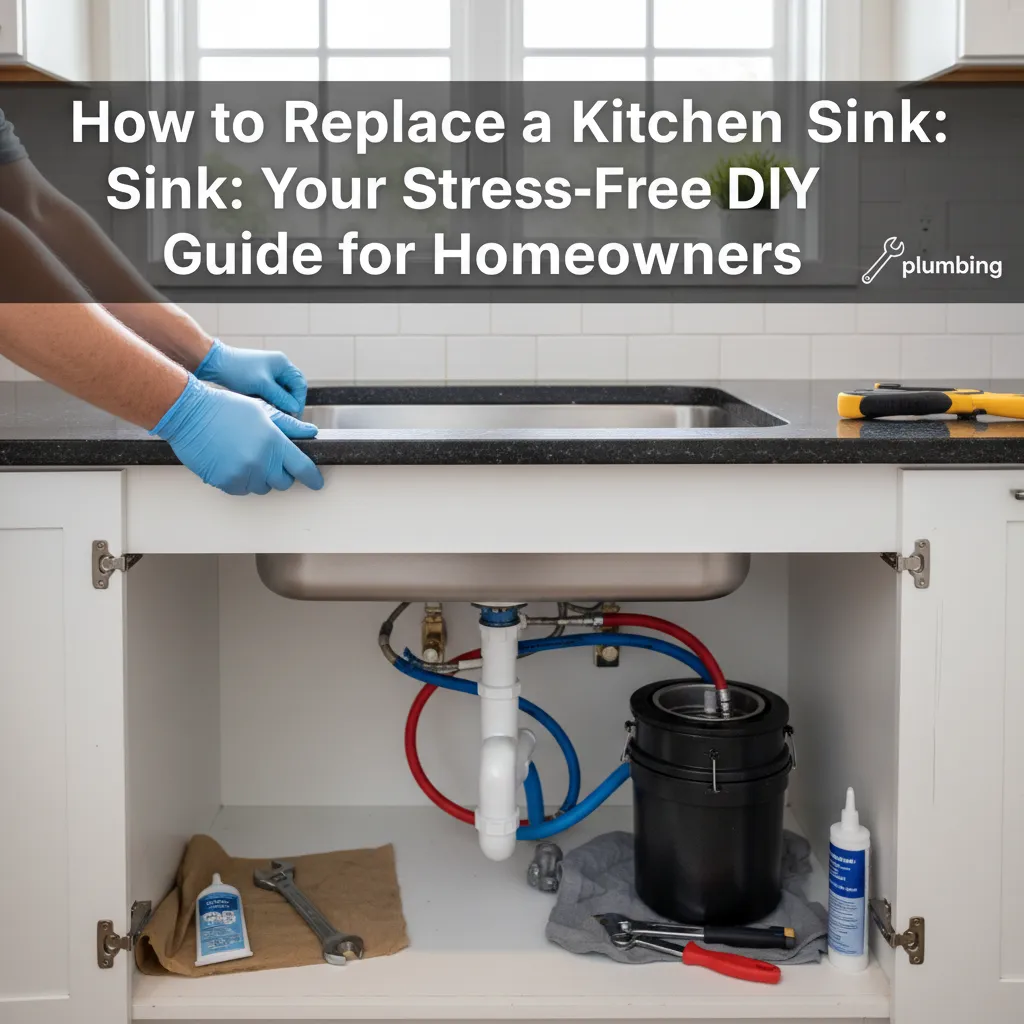
Step 1: Disconnect the supply lines Turn off the hot and cold shut-off valves under the sink. Use an adjustable wrench to loosen the compression nuts on the supply lines. If the nuts are seized, experienced plumbers recommend using side cutters to carefully cut the old lines off 4. If the shut-off valves are corroded or won't fully close, call a plumber.
Step 2: Remove the old sink Disconnect the P-trap and drain assembly. A basin wrench is non-negotiable here — it reaches the impossible angles behind the sink. Cut through any old caulk or silicone with a utility knife, then lift the sink out.
Step 3: Install the new faucet and drain Mount the faucet according to the manufacturer's instructions. For the drain, experienced plumbers often replace old chrome drains with plastic kits for easier installation and fewer leaks 5. When assembling the drain, never use thread sealant tape on rubber gaskets — it can cause leaks 2. If you're installing an undermount sink, call a plumber — the silicone seal and support brackets require professional precision.
Step 4: Set the new sink Apply a bead of 100% silicone caulk around the rim of the countertop cutout. Lower the sink into place and press firmly. Wipe away excess caulk with a damp cloth. For undermount sinks, use the manufacturer's clips and a second pair of hands.
Step 5: Connect the plumbing Attach the P-trap and drain kit. Flexible supply lines simplify hookups — just hand-tighten, then give a quarter turn with a wrench. Reconnect the supply lines to the shut-off valves. Turn the water back on slowly and check for leaks.
Step 6: Test and seal Run water for a few minutes, checking all connections. Tighten any drips gently. Once dry, apply a final bead of silicone around the sink rim for a watertight seal.
Compact Tools & Materials reference: basin wrench, adjustable wrench, pipe cutter, 100% silicone caulk, flexible supply lines, drain kit, P-trap.
Troubleshooting Common Issues
Leak at the faucet base? Overtightening often cracks sinks — reinstall with less torque. Slow drain? Make sure the P-trap isn't kinked and has proper slope. Gurgling? The vent stack may be clogged — that's a separate issue. Sprayer not working? Check for hose kinks under the sink. Cabinet dampness? Trace with a dry paper towel — small leaks travel farther than you'd expect.
After installation, make sure both shut-off valves are fully open. One homeowner reported finishing a sink replacement only to find the hot water line dead — the valve was still closed 6. It's an easy oversight that can make you think the faucet is faulty.
Pro Tips
A few small moves that make a big difference when you're swapping a kitchen sink.
- Dry-fit everything first. Assemble the drain pieces and set the sink in the counter before you tighten or seal anything. You'll catch alignment problems early and avoid cutting pipes too short.
- Use a tailpiece washer, not plumber's putty, on the strainer. Most modern basket strainers come with a rubber gasket that seals against the sink from below. Putty can harden and crack over time — the gasket stays flexible.
- Hand-tighten, then snug a quarter turn. Overtightening compression nuts on P-traps and drain fittings is the number one cause of cracked plastic nuts. Get it finger-tight, then give it a quarter turn with slip-joint pliers. If it drips, tighten a tiny bit more.
- Mark your supply lines before you disconnect them. Wrap a piece of tape around the hot line or snap a photo with your phone. Swapping hot and cold at the faucet is an easy mistake that's annoying to undo once the sink is in place.
- Replace angle stops if they're old. If your shut-off valves are corroded or won't turn, now's the time to swap them. It's much easier with the sink out of the way, and you'll thank yourself later when you need to shut the water off in a hurry.
⚠️ Warning: If you're replacing angle stops on a threaded galvanized nipple inside the wall, use a backup wrench on the nipple. Twisting the pipe inside the wall can crack it — and that's a job for a plumber.
- Check the sink's drain hole size before buying a strainer. Most kitchen sinks use a standard 3-1/2-inch opening, but some bar sinks or imported models are smaller. Measure the hole diameter so you don't end up with a strainer that doesn't fit.
- Keep a bucket and towels under the sink until you've run a full basin of water. Even a perfectly assembled drain can have a slow drip that only shows up under a full sink's weight. Fill the basin, let it sit for a minute, then drain it while you watch the connections.
Maintenance and Prevention
Reseal sink edges with clear silicone once a year. Skip harsh abrasives on finishes—they'll dull the surface. Use drain strainers to catch debris. Check under the sink for moisture every few months. Swap out supply lines every five years. And never pour grease down the drain. These habits can add decades to your sink's life.
Cost Analysis: DIY vs Professional
Replacing a kitchen sink yourself typically costs $200–$800 for the sink itself, plus about $50 for supplies like sealant and supply lines. Hiring a pro adds $300–$600 in labor, so you can save $250–$1,000 by doing it yourself. Professional installation averages $339 for a stainless steel sink and $385 for cast iron 7. Nationally, the total cost to replace a kitchen sink runs $576–$696 8.
Smart ways to cut costs: keep your existing faucet if it's compatible, reuse the P-trap if it's in good shape, and buy during holiday sales. Don't cheap out on sealants or supply lines—those small savings can lead to leaks later.
You usually won't need a building permit for a sink replacement. Miami Beach's permit guide, for example, says replacements don't require a permit as long as the work is done by a licensed contractor 1. Check your local rules, but this is generally a straightforward swap.
Related Plumbing Problems
This often reveals other issues: corroded shutoff valves (replace with quarter-turn valves), damaged countertops (repair with epoxy), or faulty garbage disposal (test before reconnecting). Also check dishwasher drain hose for cracks.
Frequently Asked Questions
Can I replace just the sink without changing the countertop?
Absolutely, as long as the new sink fits the existing cutout. Measure carefully—sinks aren't universally sized. Top-mount sinks are easiest to swap. Undermounts require adhesive removal but are doable.
Why is water leaking from under my new sink?
Most common causes: a loose drain basket connection, missing Teflon tape on threads, a cracked putty seal, or overtightened fittings that damage gaskets. Double-check every connection with dry paper towels to pinpoint the drip source.
How do I know if my cabinet can support a heavier sink?
Check cabinet specs online or measure shelf thickness. Standard cabinets handle cast iron if properly supported. Add plywood reinforcement between sink clips if you're concerned. When in doubt, choose composite or stainless steel.